Panther POS · Retail
Rebuilding a point of sale while stores kept selling
For National Retail Solutions (IDT), we redesigned Panther, the point-of-sale system behind thousands of bodegas and corner stores, and shipped it to live customers without breaking a single cashier’s muscle memory.
Key impact
- 30%+
- of NRS stores moved from the old POS to premium plans built on Panther
- 39.3K
- active NRS point-of-sale terminals across its network
The challenge
Panther is the point of sale from National Retail Solutions for bodegas and corner stores. The base app is free, and NRS earns from add-on modules, so the product has to keep growing. The old one couldn’t.
Its front end and back end were being rebuilt from scratch. The catch: thousands of stores were using it every day, and cashiers work from muscle memory. Anything that moved a button could slow down a queue.
Our role
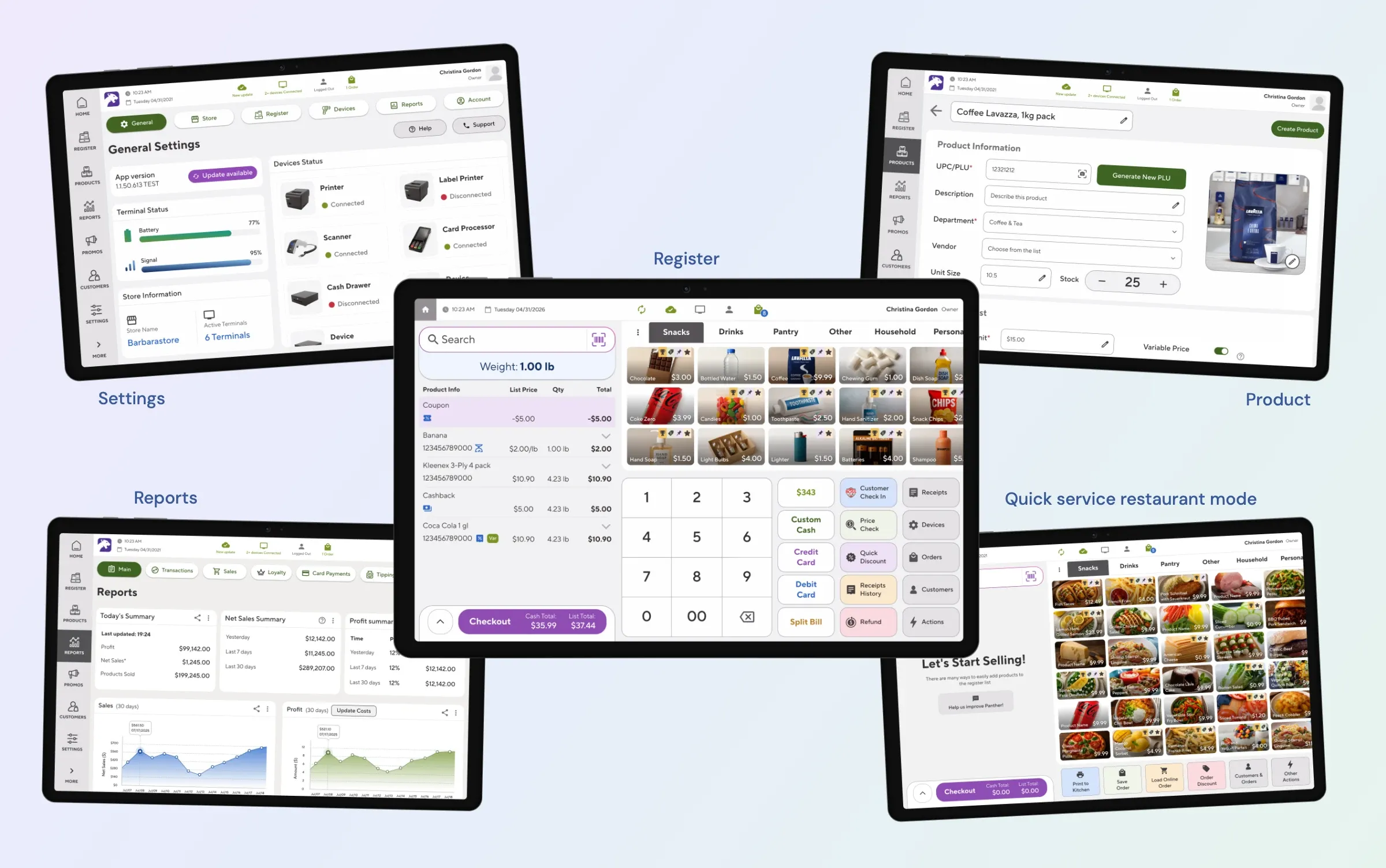
We lead product design for Panther, working with NRS’s stakeholders, product managers and the Kotlin engineering team, from the register itself to back-office tools, payment devices and the design system.
- Register redesign and rollout plan
- New modules, starting with in-store pizza kitchens
- Back-office tools for store owners
- Design system and AI-assisted design-to-code checks
- Consumer Engagement App for payment devices
Approach
Change the product without shocking the people using it.
- 01
Same look, new stack
The first release matched the old app exactly, on the new native stack. A web POS wouldn’t react fast enough at the register.
- 02
Small steps
After that, the interface changed gradually. Controls kept their positions, and expert stakeholders reviewed every change.
- 03
Earn trust
Growing trust made bigger changes possible, like calmer colours. We studied Square, Toast, Clover and Lightspeed for patterns cashiers already know.
- 04
Keep shipping
New modules keep launching on the new platform, with quick-service restaurants planned next.
Pizza Builder
Many NRS stores have a small kitchen. A module for it could win new customers and improve margins.
A cashier builds a custom pizza on the tablet, and the order prints as a kitchen ticket. The hard part was the domain, so we started by studying specialist pizza POS products such as Slice and the fastest ways to build an order.
- Halves at any moment. Customers don’t order in sequence, so cashiers can switch between left, right and whole at any time.
- Amount per side. Light or extra on one half is a normal order, so amounts are set per side.
Builder Creator
Store staff with the right access decide which toppings and modifiers appear, and in what order.
So every kitchen can set the builder up around its own menu, without calling support.
Beyond the register
Tools that help store owners run the business, not just ring up sales.
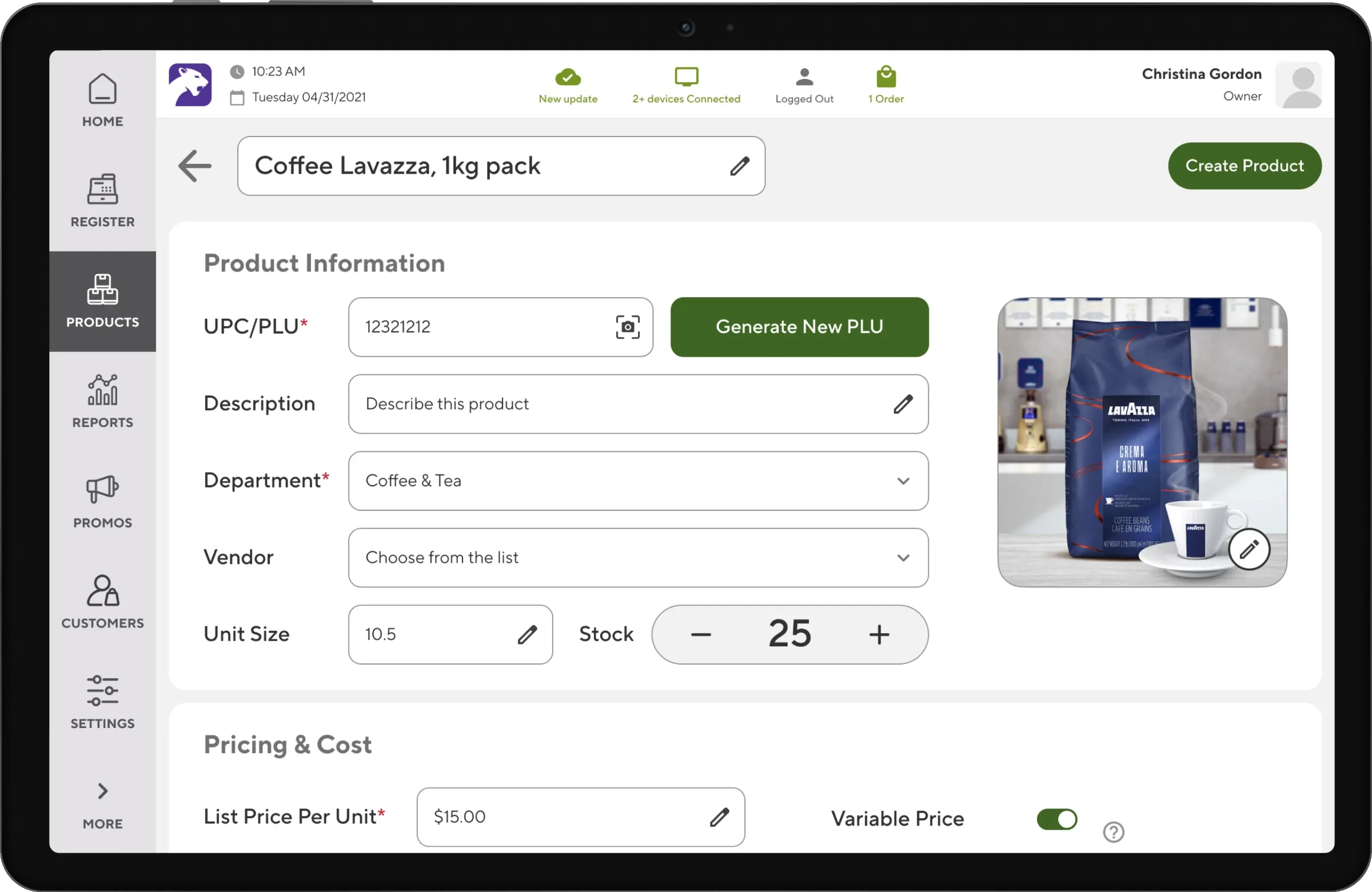
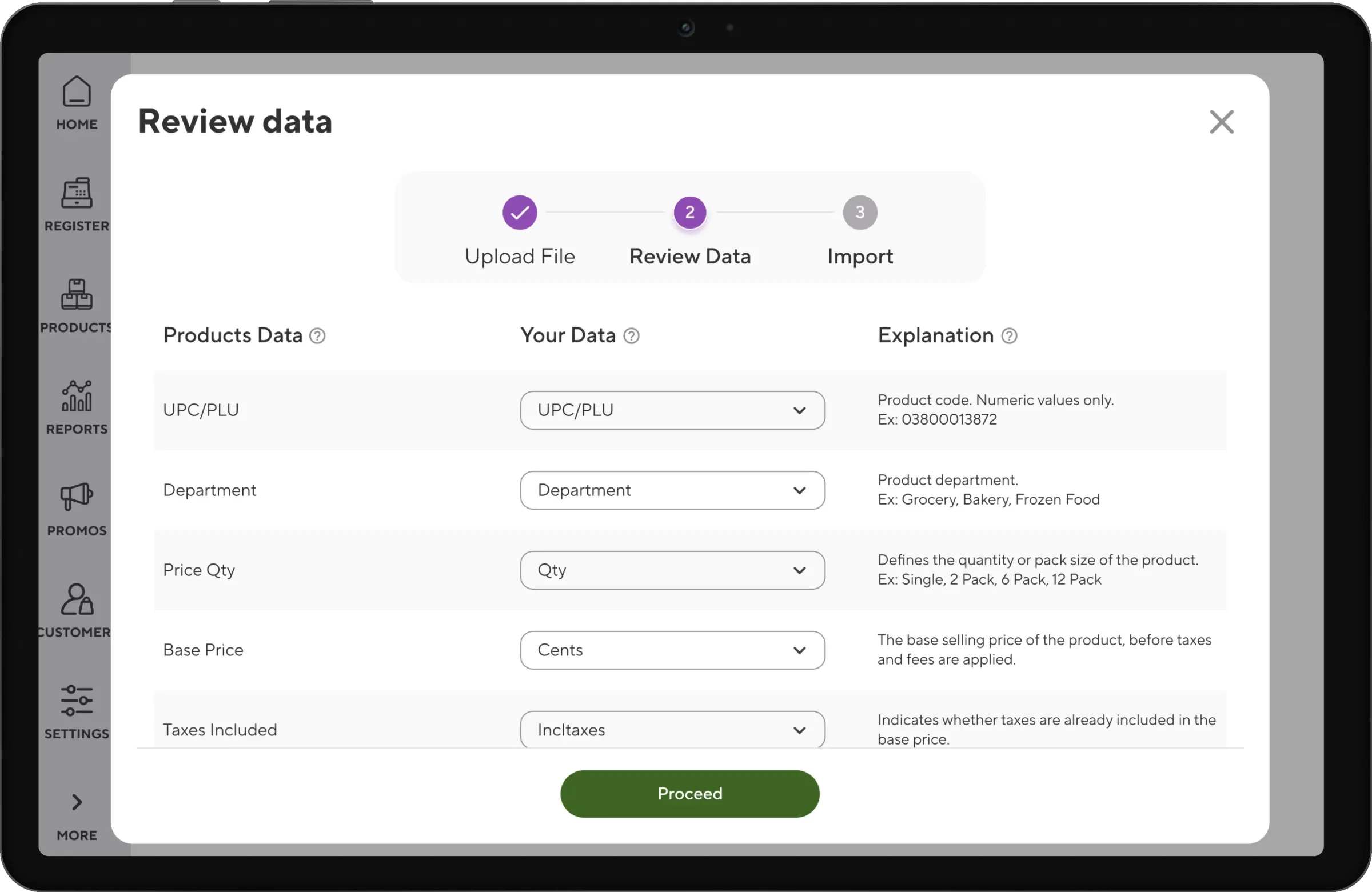
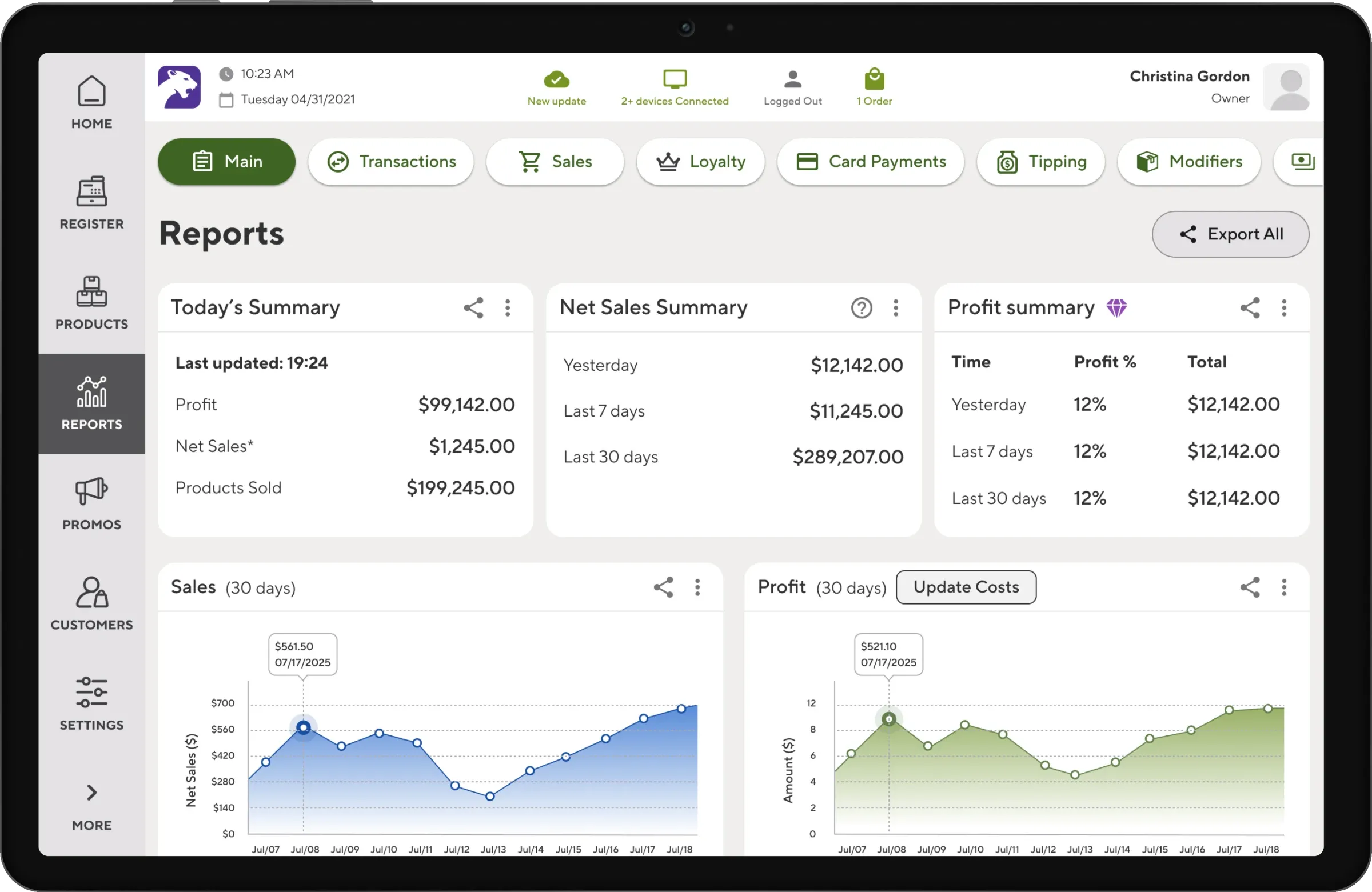
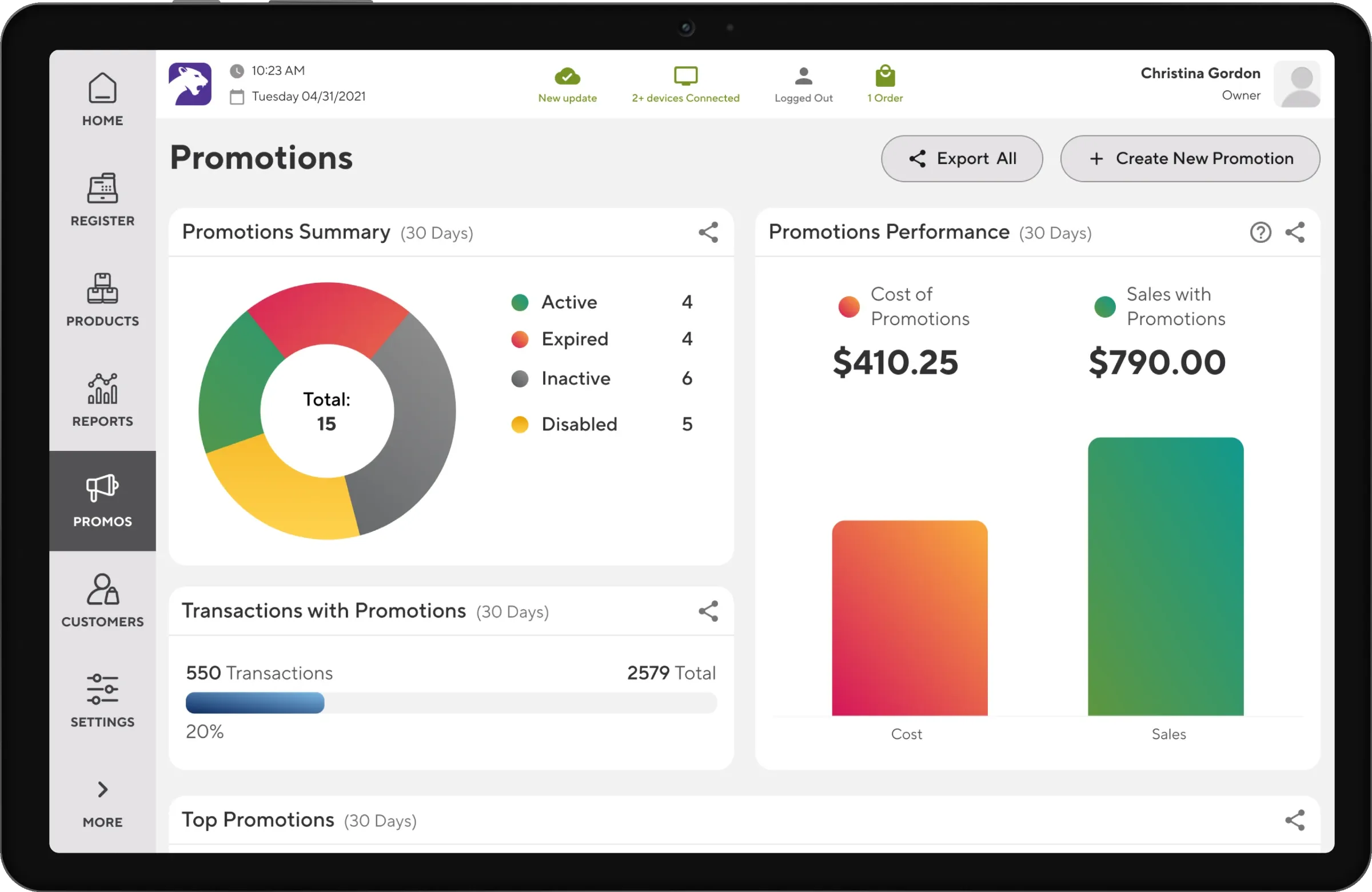
Pricebook import brings a store’s whole inventory over from another system during onboarding. Reports track daily sales and inventory. Promotions lets owners create offers and see how each one performs.
Design system
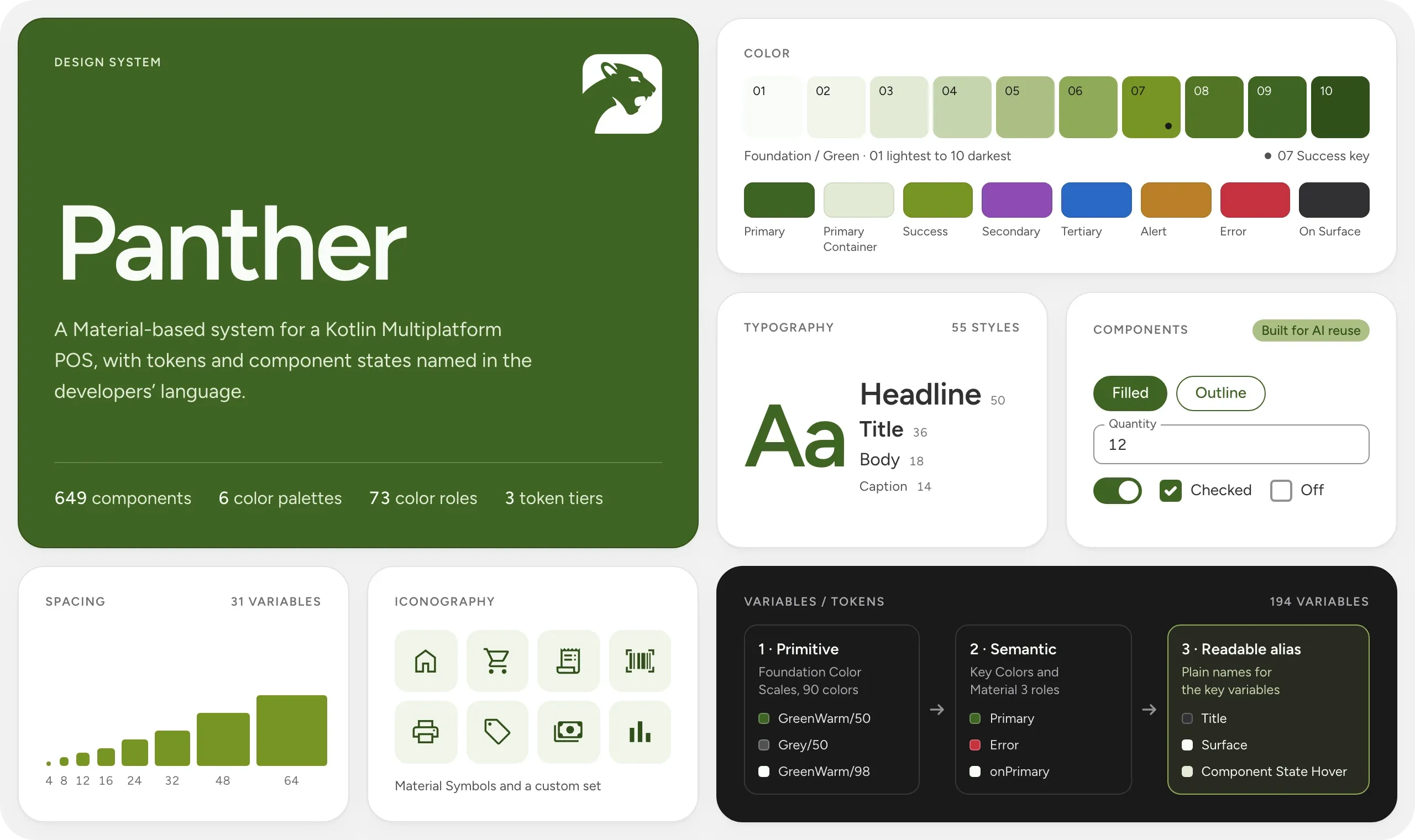
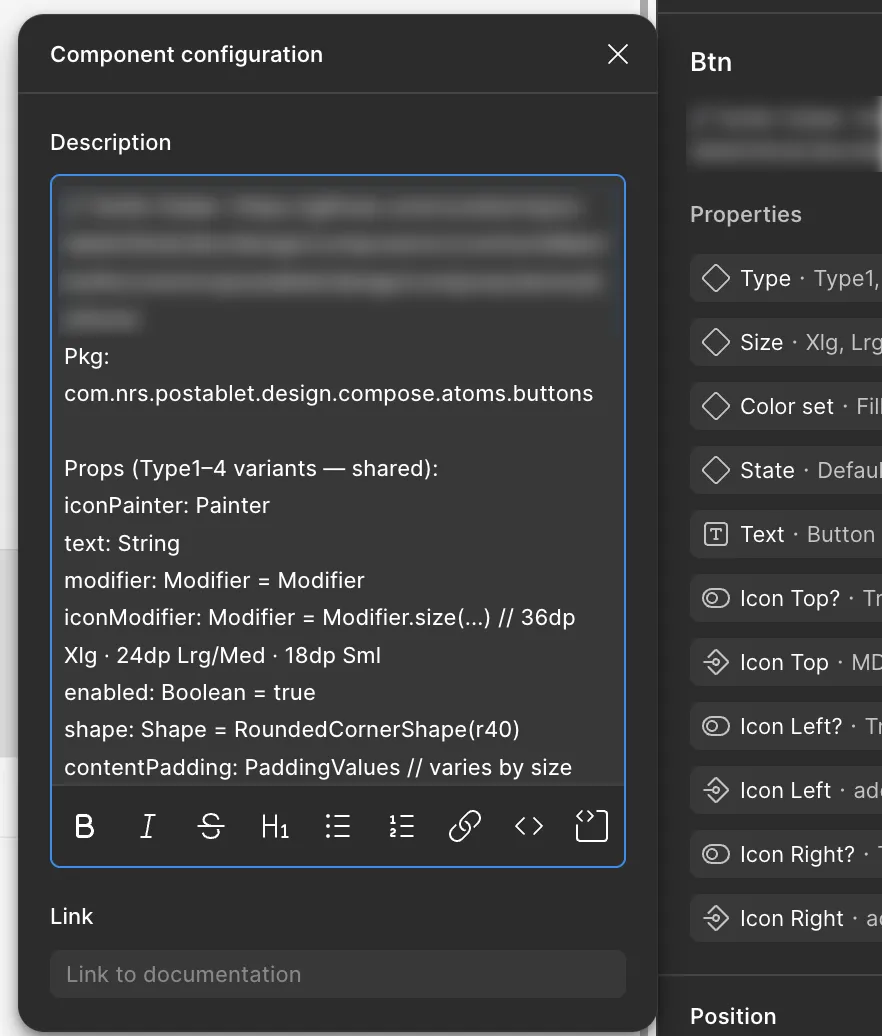
Material Design, heavily modified, and named in the developers’ own language.
The system has its own variables, tokens and components, and states use the names from the engineers’ UI library. We built it during the rollout, so every screen reused real components from day one.
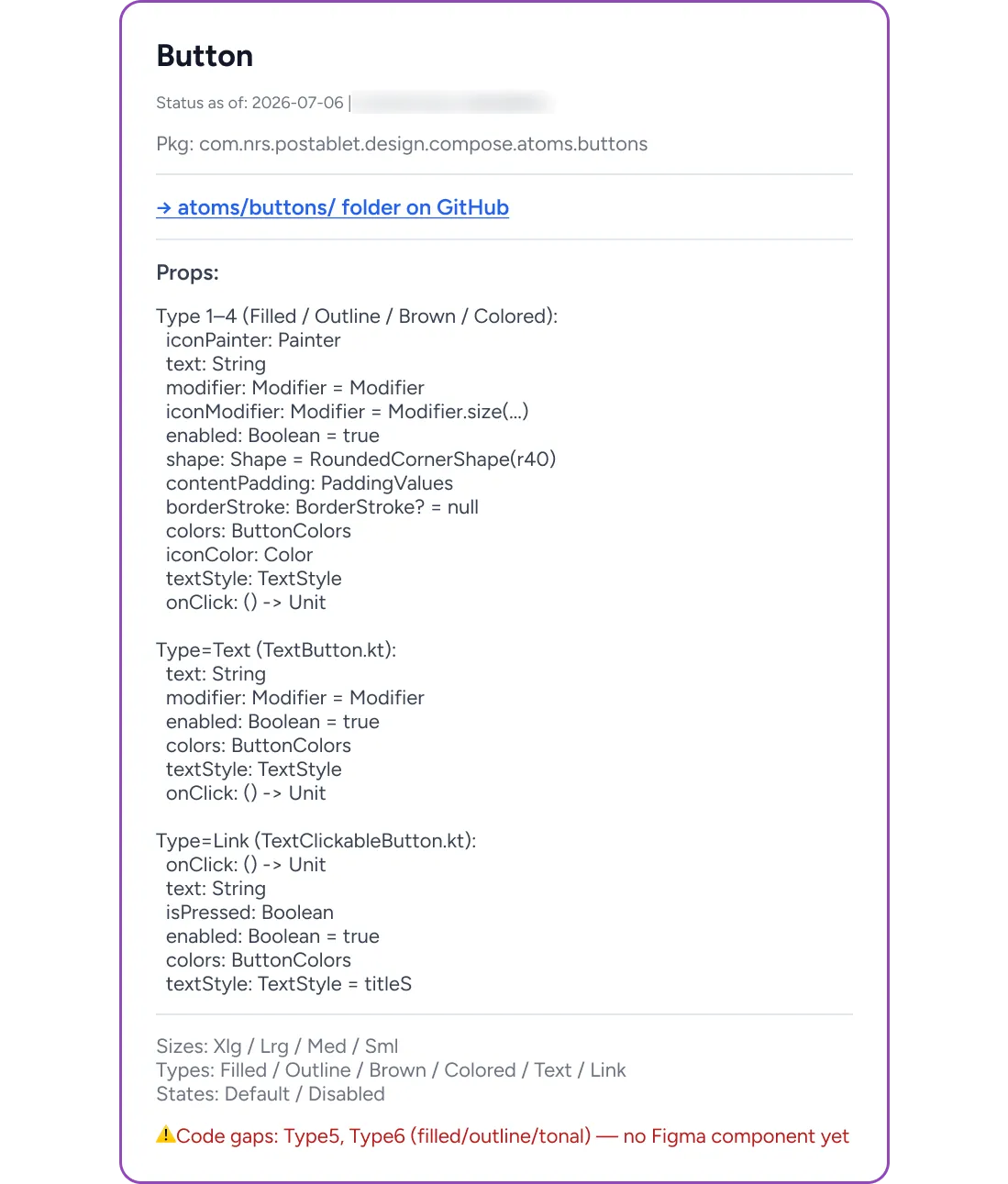
We also used AI to compare the Kotlin UI repository with the Figma library, and wrote skills that flag gaps directly in the file. For each gap, we agreed a fix with the developers. The goal is for AI agents to build screens from the system on their own, and for some screens they already do.
AI for research
From idea to PRD, with every claim sourced.
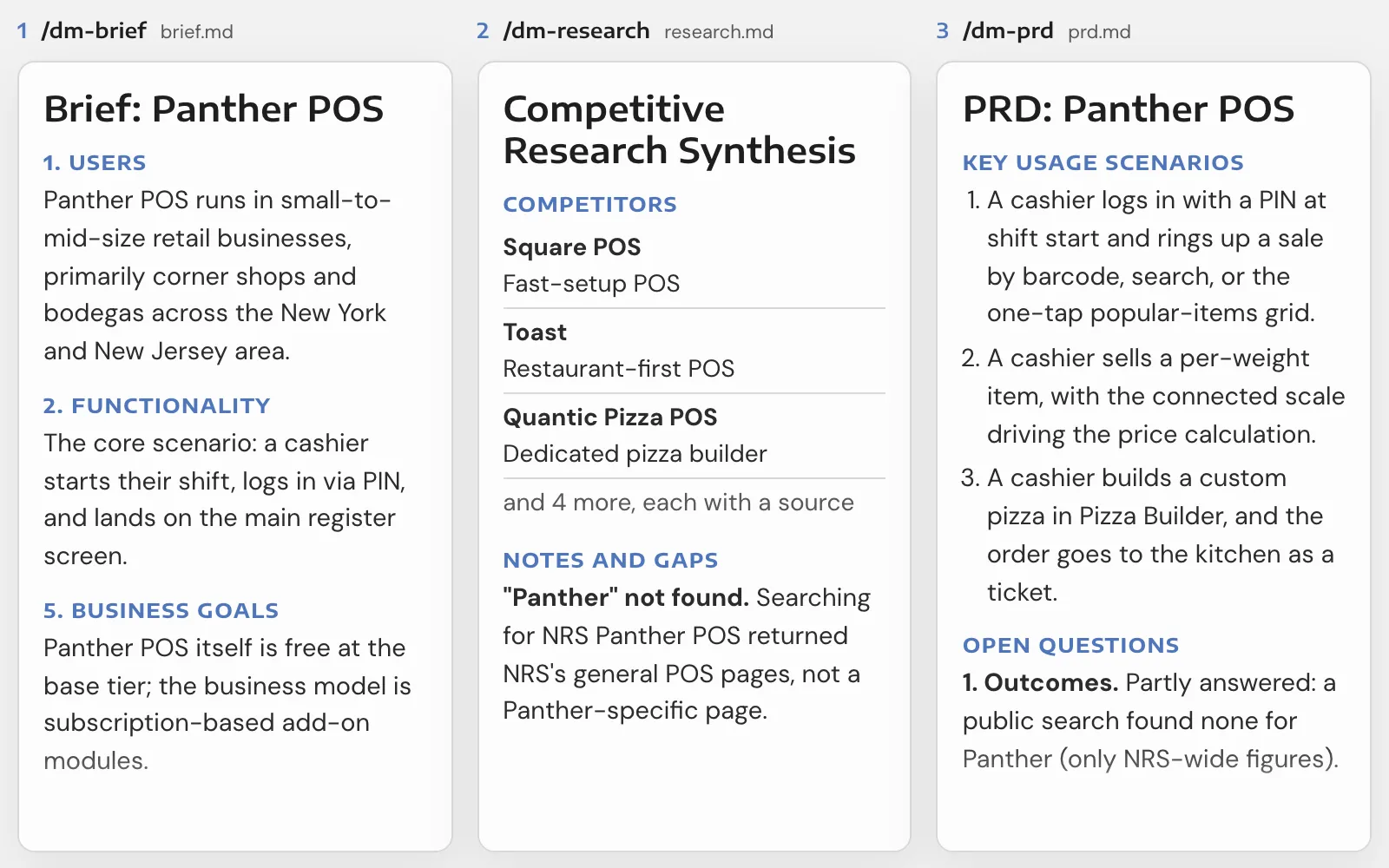
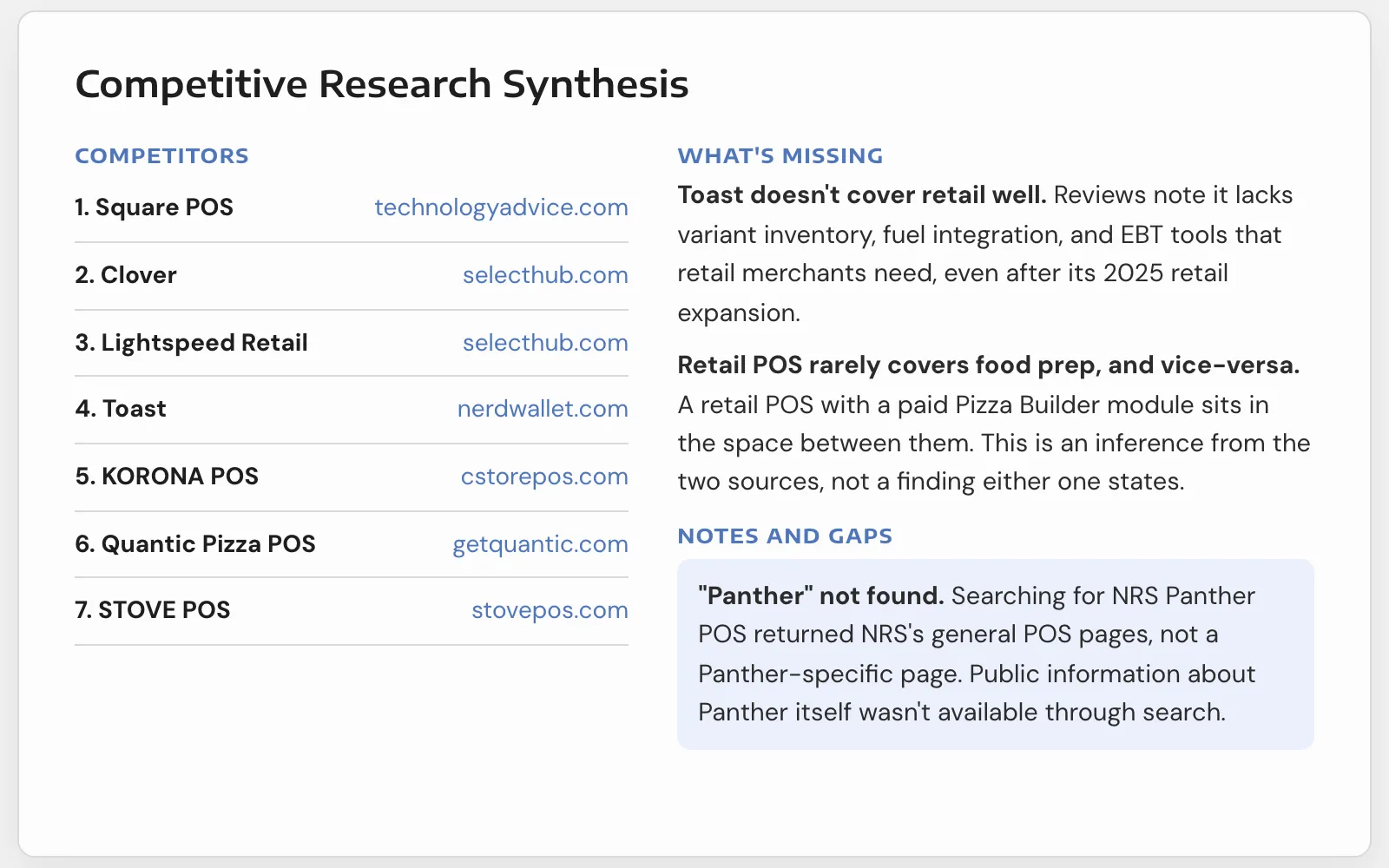
We wrote three skills that turn a rough idea into a product spec: one interviews the team one question at a time, one finds real competitors and sources every claim, and one combines both into a PRD that lists what’s still missing.
Consumer Engagement App
Turning the counter payment device into a second screen that NRS can sell.
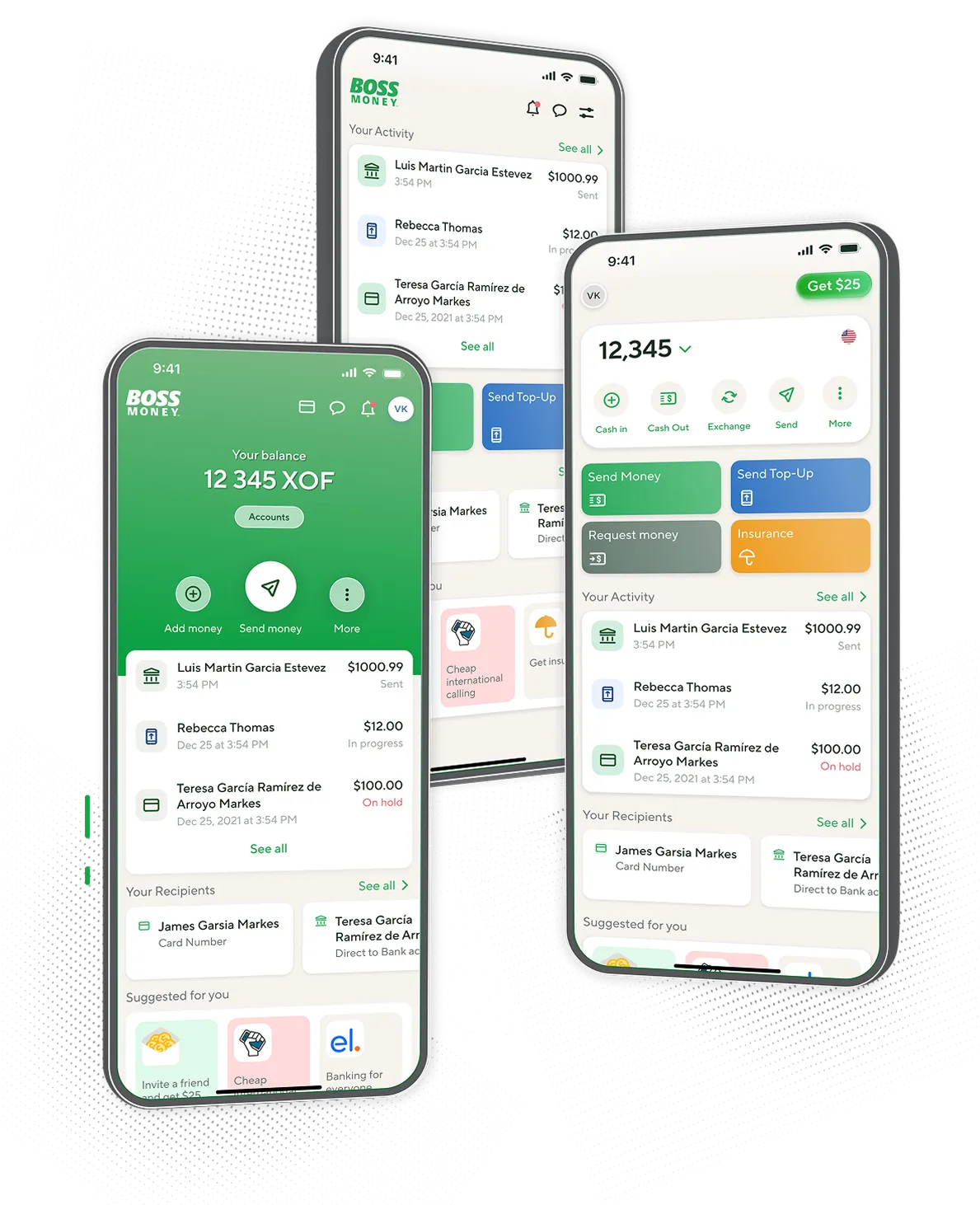
Payment devices run Android, so they can play ads when idle and show the live basket during a sale. The work started from stakeholders’ business needs. The device reaches the register only through the cloud, and the MVP proved that connection works. V1 added ads, the live basket animation and tipping. V2 is designed.
Where it is now
A clean product on a system built to grow.
Android is live for all customers, with iOS tested and web ready when the business needs them. Next, we want to measure support calls per store before and after the move, and time per sale at the register.
Credits
- Client
- National Retail Solutions (IDT Corporation)
- Platform
- Kotlin Multiplatform